
Gastric Bypass vs Sleeve Gastrectomy in India: Which Weight Loss Surgery is Better?
While comparing gastric bypass vs sleeve gastrectomy in India, a common question that arises is which procedure offers better long-term outcomes for the patient. The discussion around gastric bypass vs sleeve gastrectomy in India usually depends on several factors, such as body weight, existing health conditions, and lifestyle habits. In gastric bypass vs sleeve gastrectomy in India, both procedures are widely used and considered effective surgical options for obesity treatment, helping patients lose weight and improve obesity-related health issues. However, gastric bypass vs sleeve gastrectomy in India differs in terms of procedure, recovery, and the way each surgery works inside the body.
Difference Between Gastric Bypass and Sleeve Surgery
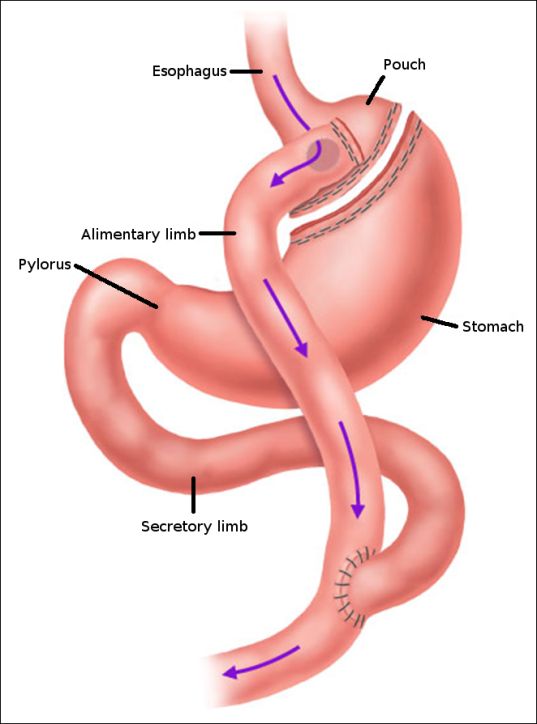
The main difference between gastric bypass and sleeve surgery. In sleeve gastrectomy, about 75-80 percent of the stomach is removed, resulting in a smaller stomach tube. The procedure is classified as restrictive surgery, as it restricts food intake. In contrast, in gastric bypass, especially Roux-en-Y gastric bypass, a smaller stomach pouch is created, and part of the digestive tract is rerouted. It makes this procedure a restrictive versus malabsorptive procedure since it also helps to reduce calorie intake.
An important consideration when discussing weight-loss surgeries in India is their influence on digestion and appetite. The ghrelin hormone and hunger after sleeve surgery are known for reducing ghrelin levels, so post-surgery hunger is typically lower compared to other surgeries.
Gastric Bypass vs Sleeve Gastrectomy: Which is Better?
Many people wonder whether there is any superiority between gastric bypass and sleeve gastrectomy. This question depends on the health condition of patients since weight loss surgery comparison in India is sometimes considered more suitable for patients with severe obesity or acid reflux, while sleeve gastrectomy is relatively easy to perform with a shorter operation duration.
When comparing which bariatric surgery provides better results, doctors take into account excess weight loss and the effectiveness of treatment for obesity-associated diseases. Although gastric bypass is believed to provide slightly better weight loss outcomes, the popularity of sleeve gastrectomy is related to its technical simplicity and absence of nutritional problems in some patients.
Sleeve Gastrectomy Pros and Cons
The sleeve gastrectomy pros and cons should be known before the procedure. The most significant advantage of the procedure is that it does not involve rearranging the intestines, ensuring more natural digestion. Recovery times and hospitalisation periods are shorter. The procedure also helps with hunger thanks to the decrease in ghrelin hormone levels.
There are certain disadvantages to the procedure as well. ghrelin hormone and hunger after the sleeve. Weight regain and problems associated with long-term weight regain after bariatric surgery can occur if patients do not make proper diet and lifestyle changes. Sleeve gastrectomy is not always the best choice for patients who might require future revision bariatric surgery.
Gastric Bypass: Advantages and Disadvantages
When considering the gastric bypass advantages and disadvantages, weight loss and the management of obesity-related conditions such as type 2 diabetes are common outcomes.
One advantage of bariatric surgery in India is that comorbidities are easily treated. Weight loss surgery comparison in India. The gastric pouch size after bypass has several disadvantages. Dumping syndrome after bariatric surgery is one possible complication that may arise from the surgical procedure. Dumping syndrome involves the consumption of foods containing high amounts of sugar, leading to vomiting, sweating, and feeling dizzy.
Other disadvantages include malnutrition due to the reduced absorption of vitamins and minerals, such as vitamin B12 deficiency post-surgery, and calcium.
Bariatric Surgery Types and Differences
Knowledge of different types of bariatric surgeries will help patients select the correct surgery for themselves. Sleeve gastrectomy is primarily a restrictive surgery, whereas Roux-en-Y gastric bypass is both restrictive and malabsorptive. In malabsorptive and restrictive surgeries, bypass causes more metabolic effects, but the sleeve makes for a simpler operation.
Patients must understand the BMI criteria for bariatric surgery in India. In India, the patient should have a BMI of more than 37.5 or a BMI of 32.5 with comorbidities like diabetes or hypertension.
Long-Term Results of Weight Loss Surgery
When comparing which bariatric surgery has the best results, success is dependent on lifestyle, diet, exercise, and postoperative monitoring. The gastric bypass surgery has a slightly higher excess weight loss percentage than the sleeve gastrectomy, but the latter is also successful in many patients.
The doctors have also noted some long-term weight regain in bariatric patients, even several years after the procedure, and such patients may need revision bariatric surgery.
The patients must follow the IFSO bariatric surgery guidelines, both before and after the procedure. Final Thoughts
India: Gastric bypass vs. sleeve surgery—There is no easy answer for this question. Comparison of gastric bypass surgery vs. sleeve gastrectomy in India will be based on the severity of obesity, the existence of diabetes, reflux, nutritional risk factors, etc. The correct answer to your question of whether it is better to choose gastric bypass or sleeve gastrectomy would be selecting the proper operation after consultation with a bariatric surgeon about the types and differences in operations.
Both surgeries can make you healthier, as well as help you lose weight.