
background

Piles Surgeon in Delhi

What Are Piles (Hemorrhoids)? — Understanding the Condition

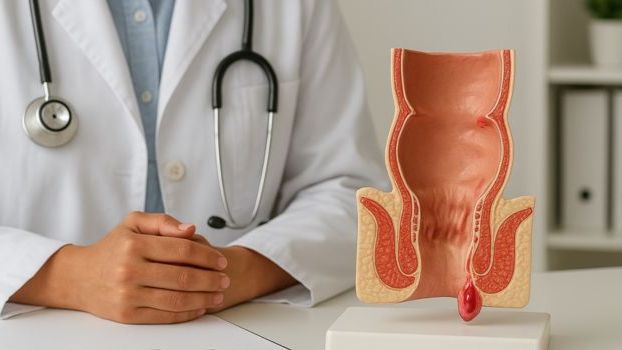
Piles — medically called hemorrhoids (haemorrhoids) — are swollen, inflamed veins located in the lower rectum and around the anus. The condition is extremely common, with nearly 1 in 3 adults experiencing piles during their lifetime. In Delhi, it is one of the leading reasons patients consult a piles surgeon in Delhi, piles specialist, or laparoscopic surgeon. Piles can develop as internal piles (inside the anal canal) or external piles (under the skin around the anus). If left untreated, they may progress from Grade I to Grade IV, causing rectal bleeding, prolapsed piles, severe pain, and even anaemia. The good news is that early diagnosis and treatment by an experienced piles doctor in Delhi like Dr. Ashish Vashistha can provide permanent relief using laser piles surgery and laparoscopic piles surgery, offering minimal pain, faster recovery, and same-day discharge.

revision-surgery

Warning Signs of Piles — When Should You See a Piles Surgeon in Delhi?

Many patients in Delhi delay consulting a piles doctor out of embarrassment, allowing the condition to progress to a more advanced stage that may require surgery. Recognising the symptoms early can help you receive timely treatment and prevent complications.

Bright red blood on toilet paper or in the toilet bowl after passing stools.

Pain, soreness, or a burning sensation around the anus, especially while sitting.

Persistent itching or irritation in the anal region.

A lump or swelling near the anus that may be painful or painless.

A feeling of incomplete bowel emptying after passing stools.

Mucus or discharge from the anus after a bowel movement.

Tissue protruding from the anus during or after a bowel movement (prolapsed piles).

Chronic fatigue or anaemia caused by ongoing rectal bleeding.

Types & Grades of Piles — Which Grade Are You?

Piles (hemorrhoids) are classified into different grades based on their severity. Understanding your condition helps determine the most effective treatment option, from lifestyle changes to advanced laser or minimally invasive surgery.

I
Grade I – Internal (Mild)

Small swollen veins inside the anal canal that do not prolapse or become visible. Usually managed with dietary changes, medications, sclerotherapy, or infrared coagulation.

II
Grade II – Internal (Moderate)

Larger hemorrhoids that prolapse during bowel movements but return inside on their own. Effective treatments include rubber band ligation, laser hemorrhoidoplasty, or sclerotherapy.

III
Grade III – Prolapsed Piles

Hemorrhoids prolapse during straining and need to be pushed back manually. Advanced procedures such as laser surgery, stapled hemorrhoidopexy (MIPH), or HAL-RAR provide excellent outcomes.

IV
Grade IV – Severe / Thrombosed

Permanently prolapsed hemorrhoids or piles with blood clots (thrombosed). These cases usually require laparoscopic hemorrhoidectomy, laser surgery, or robotic-assisted treatment by an experienced colorectal surgeon.

Early diagnosis and timely treatment can prevent complications and help you avoid severe pain, bleeding, and advanced surgical procedures.

Advanced Surgical & Emergency Care Without Delay

With years of clinical excellence and precision-led treatment, we ensure immediate response and compassionate care at every step.

Complete Piles Treatment Options

Treatment is selected according to the grade of piles, symptoms, and overall health, ranging from non-surgical care to advanced laser and minimally invasive surgery.

01
Non-Surgical Treatment

Best for Grade I–II piles using dietary changes, medications, sitz baths, sclerotherapy, rubber band ligation, and infrared coagulation.

02
Laser Piles Surgery

A minimally invasive day-care procedure for Grade II–III piles with minimal pain, less bleeding, and faster recovery.

03
Advanced Surgical Procedures

For Grade III–IV or recurrent piles, options include Stapled Hemorrhoidopexy, HAL-RAR, Laparoscopic Hemorrhoidectomy, and Robotic Surgery.

What Causes Piles? Risk Factors Common in Delhi's Urban Population

Modern lifestyles, poor eating habits, and prolonged sitting have made piles increasingly common among adults. Understanding the risk factors can help prevent the condition and reduce the chances of recurrence.

Chronic constipation or excessive straining during bowel movements.

Low-fibre diet, processed foods, and inadequate water intake.

Prolonged sitting and a sedentary lifestyle, especially desk jobs.

Obesity or excess body weight increasing pressure on rectal veins.

Pregnancy due to hormonal changes and increased pelvic pressure.

Ageing, which naturally weakens the supporting tissues of the rectum.

Chronic diarrhoea or digestive disorders such as IBS.

Heavy lifting, strenuous activity, or a family history of piles.

Why Delhi Patients Trust Dr. Ashish Vashistha for Piles Treatment

With 28+ years of surgical excellence, advanced laparoscopic and robotic expertise, and thousands of successful procedures, Dr. Ashish Vashistha provides safe, minimally invasive, and patient-focused piles treatment at Max Hospital Saket.

28+ Years of Experience

Extensive expertise in laparoscopic, laser, and minimally invasive surgery with excellent patient outcomes.

Principal Director & HOD

Leads the Department of General Surgery & Robotics at Max Hospital Saket, Delhi.

Laser & Laparoscopic Expert

Specialist in Laser Piles Surgery, HAL-RAR, Stapled Hemorrhoidopexy, and Laparoscopic Hemorrhoidectomy.

Robotic Surgery Expertise

Advanced robotic-assisted surgery for complex and recurrent anorectal conditions with faster recovery.

International Training & 5,000+ Surgeries

Globally trained with thousands of successful surgeries, delivering world-class care in South Delhi.

Frequently Asked Questions (FAQ)

It depends on the grade of piles. Grade I–II can often be treated with medication, rubber band ligation, or laser surgery, while Grade III–IV may require stapled hemorrhoidopexy, HAL-RAR, or laparoscopic surgery. Dr. Ashish Vashistha recommends the most suitable treatment after evaluation.

No. The procedure is performed under anaesthesia, and post-operative discomfort is usually minimal. Most patients recover quickly and return to work within a few days.

Yes. Modern laser and minimally invasive techniques are highly safe when performed by an experienced surgeon. They offer less pain, minimal bleeding, and faster recovery.

Most laser and laparoscopic piles procedures take about 30–60 minutes and are performed as day-care surgeries, allowing patients to return home the same day.

Recurrence is uncommon with advanced procedures such as laser surgery, HAL-RAR, or stapled hemorrhoidopexy, especially when healthy eating habits and lifestyle changes are maintained.

The cost varies depending on the grade of piles, the procedure performed, and hospital facilities. A detailed estimate is provided during consultation, and many insurance plans cover treatment.

Surgery is recommended for Grade III or Grade IV piles, persistent bleeding, prolapsed piles, severe pain, recurrent symptoms, or when medications fail to provide relief.

background

24/7 Emergency & Surgical Support

For urgent medical concerns, surgical emergencies, or immediate consultation, our expert team is available round the clock to provide fast, safe and reliable medical assistance with advanced care.

+91 98711 42425